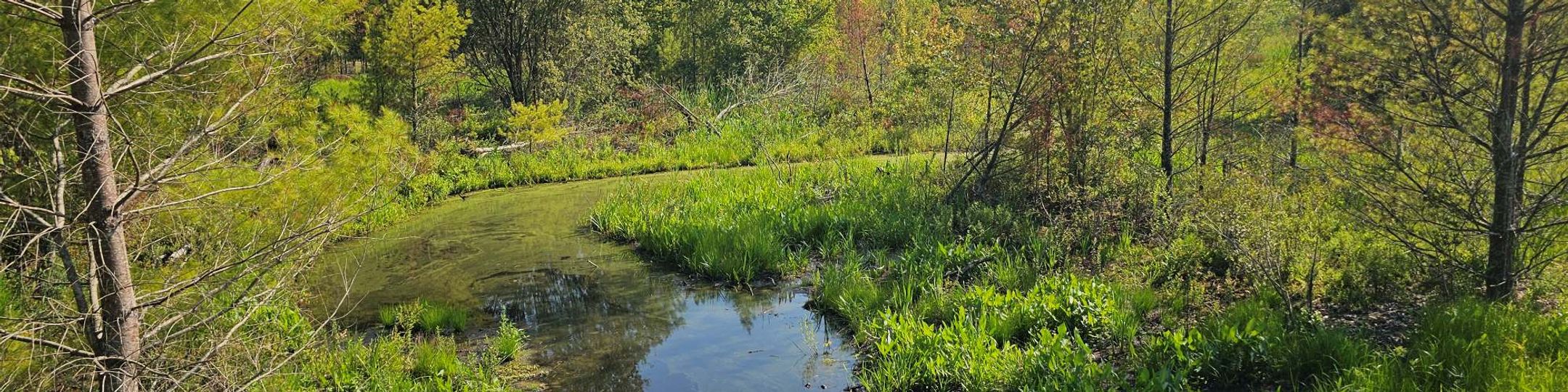
Sampson's Brook Headwaters Restoration Project
Biodiversity in a Changed Landscape
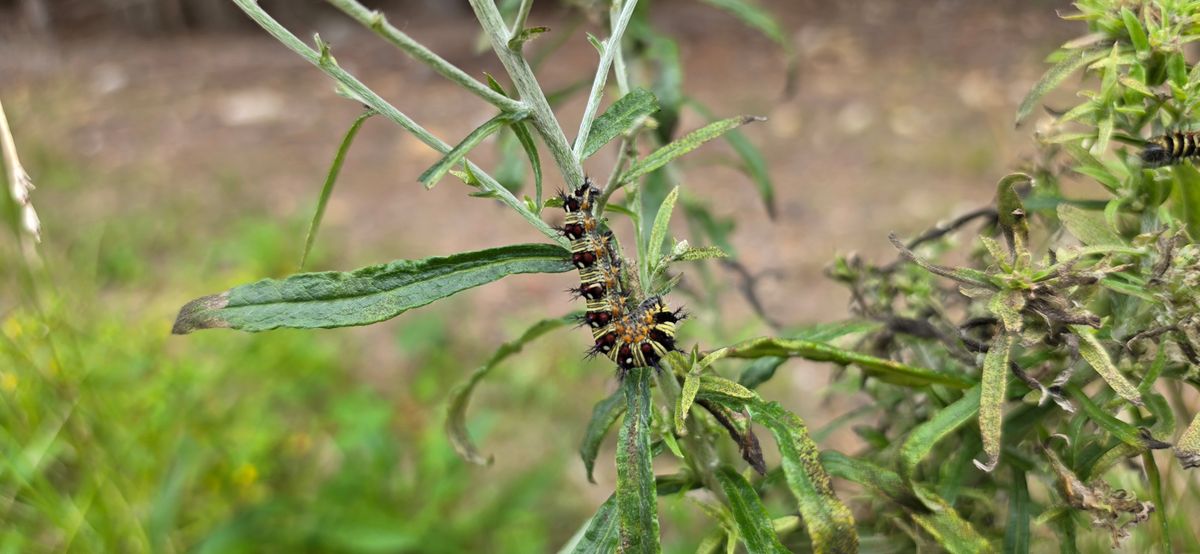
Larvae of the American Lady butterfly (Vanessa virginiensis) found feeding on the hostplant sweet everlasting (Pseudognaphalium obtusifolium) in the meadow-seeded area along the loop trail where the perimeter ditches were filled. Pre-restoration this area was nearly 100% regenerating eastern white pine with zero understory and low species diversity. https://www.inaturalist.org/observations/399329842
One of the goals in restoring landscapes is improving sites' ability to support species. Increasing or maintaining biodiversity as well as carrying capacity is crucial in combating species loss, particularly at a local level. Unfortunately at the Sampson's Headwaters site (a Kingston Conservation property called Blackwater Memorial Forest), we have no pre-restoration survey data on species assemblage or abundance, so we can't use it as a high-quality study site aimed at confirming a biodiversity benefit from bog restoration. Still, we are working with Dr. Surasinghe's lab at Bridgewater State University, confirming our post-restoration faunal assemblage, and will monitor floral response over the next five years in the former bog production area. One of the ways we're attempting to document diversity at our sites is through citizen science. We have all of our conservation property boundary shapefiles loaded into iNaturalist, and we try to spread the word in the local community about "iNat" and how it works.
https://www.inaturalist.org/projects/kingston-conservation-areas
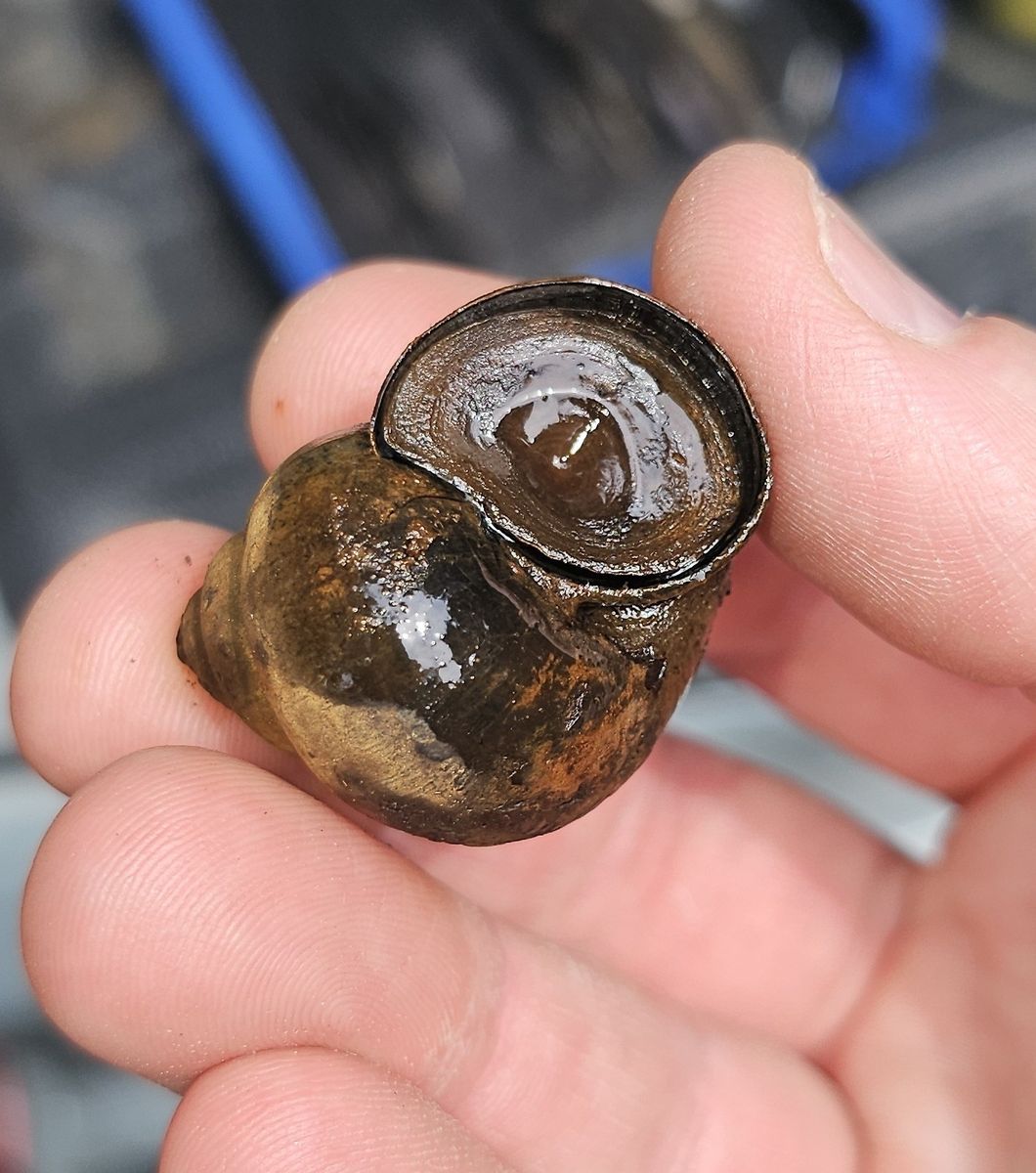
A likely specimen of Margarya chinensis (Chinese mystery snail) found by research students in the Surasinghe Lab of Bridgewater State University. One of several individuals found in Sampson's Brook on June 11, 2026. It's unclear how this species got here, whether they'll pose a threat to diversity at the site, and whether control of the species would be feasible. https://www.inaturalist.org/observations/370701320
This project is in an early stage, as this particular property only has 47 observations, and 36 of them are mine, from occasions where I can sneak away from office paperwork and check on the site. We plan on putting signage out regarding the program, as this site is used regularly, but people are likely unaware of the program, and of iNat. We expect over time that citizen science will give us a better impression of how our sites are faring, and may help to guide habitat management decisions. https://www.inaturalist.org/projects/blackwater-memorial-forest?tab=observations
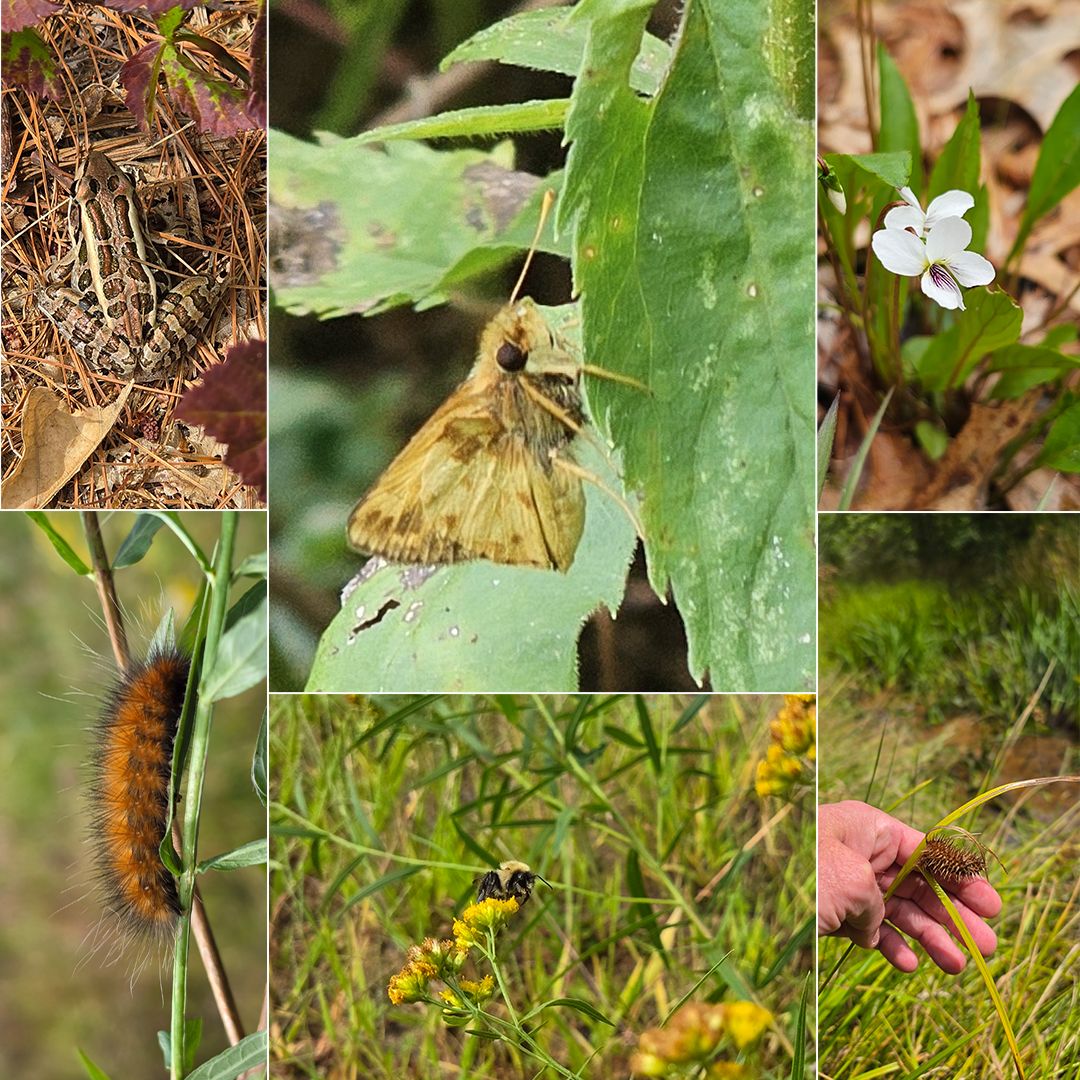
A small assemblage of species observations from the Sampson's Brook area, uploaded to iNaturalist between 2024 and 2026. Clockwise from top left: pickerel frog (Lithobates palustris), zabulon skipper (Lon zabulon), white bog violet (Viola lanceolata), sallow sedge (Carex lurida), flat-top goldenrod (Euthamia graminifolia) with common eastern bumble bee (Bombus impatiens), Virginian tiger moth (Spilosoma virginica).
October 5, 2026
