Living Observatory Field Guides
Think Like a Geologist
Before we begin exploring Plymouth’s geology, here are some mind-boggling facts. The very shark species we think about when we step into the ocean today were swimming off the coast through all the geologic changes in this Study Guide. They have been around for 450 million years. Yes, they experienced the glaciers plowing through the region and retreating, extreme changes in climates, and the mass extinction of much of the biodiversity of the time. What were they thinking about? How did they respond? These questions are for you to wonder about.

As you read this Study Guide, you might ask, how in the world do we know any of this ancient geologic history of Plymouth? Geologists learned about this story by piecing together evidence. They study the shape of the land and the materials it is made of. By comparing this evidence to areas around the world where land is being shaped and new surfaces are being formed today, geologists know that only glaciers create the types of features we see in Plymouth.
Geologists today can determine the dates of the story by measuring the radioactive decay of one or more elements found in shells, plants and other organic materials. It is a type of forensics and geologists, like forensic scientists, reconstruct what happened after the action is over. With this in mind, the story is only truly partially confirmed but we can certainly believe that the basic story is correct. Maybe you will discover more evidence to help re-interpret this story. (Shwarzman, 2002).
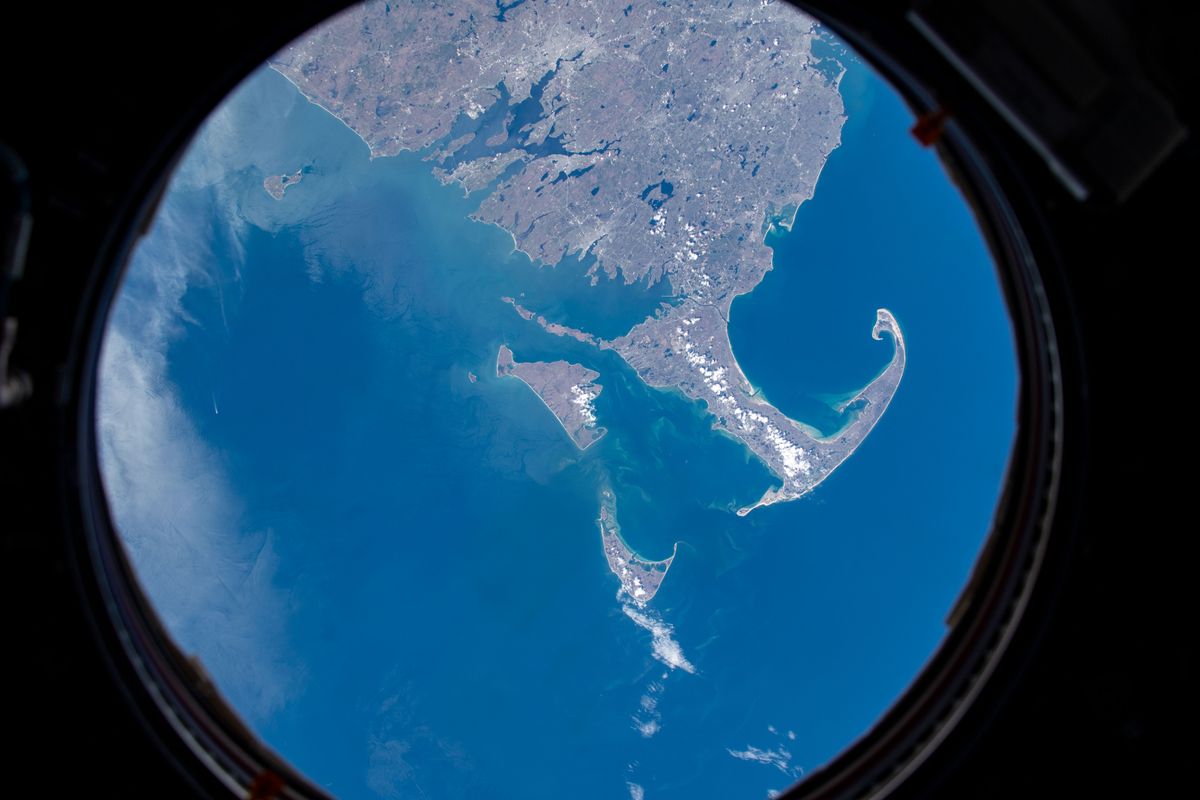
Our geologic story begins with the dramatic bedrock formation deep in the Earth to the action of glaciers scouring the land and depositing sand, gravel, and rocks. Once the glaciers retreated as the climate warmed, we have to imagine a barren landscape scoured by glaciers and the strong winds that carried gravel, sand and silt and deposited it in deep layers. Think about the coast and sea level changes, our bays and harbors. Think about the hundreds of freshwater lakes and ponds and the aquifer we draw from every day when we turn on the faucet. Think about the gentle sloping hills you may see when you look over at Pine Hills.
As are all the Study Guides, Study Guide 1 includes suggestions for experiential activities to encourage students to warm-up their observation skills and notice what is already beneath their feet. Please refer to "field trips" and "educator resources" for ways to engage students in hands-on experiences. I recommend integrating the Scavenger Hunt activity at the Tidmarsh or Foothills and use Part 5 to help you identify geological features around you. The text in the Study Guide other resources you discover along the way can help you piece together the past geologic history beneath your feet.
