Living Observatory Field Guides
Plymouth: A Sense of Place
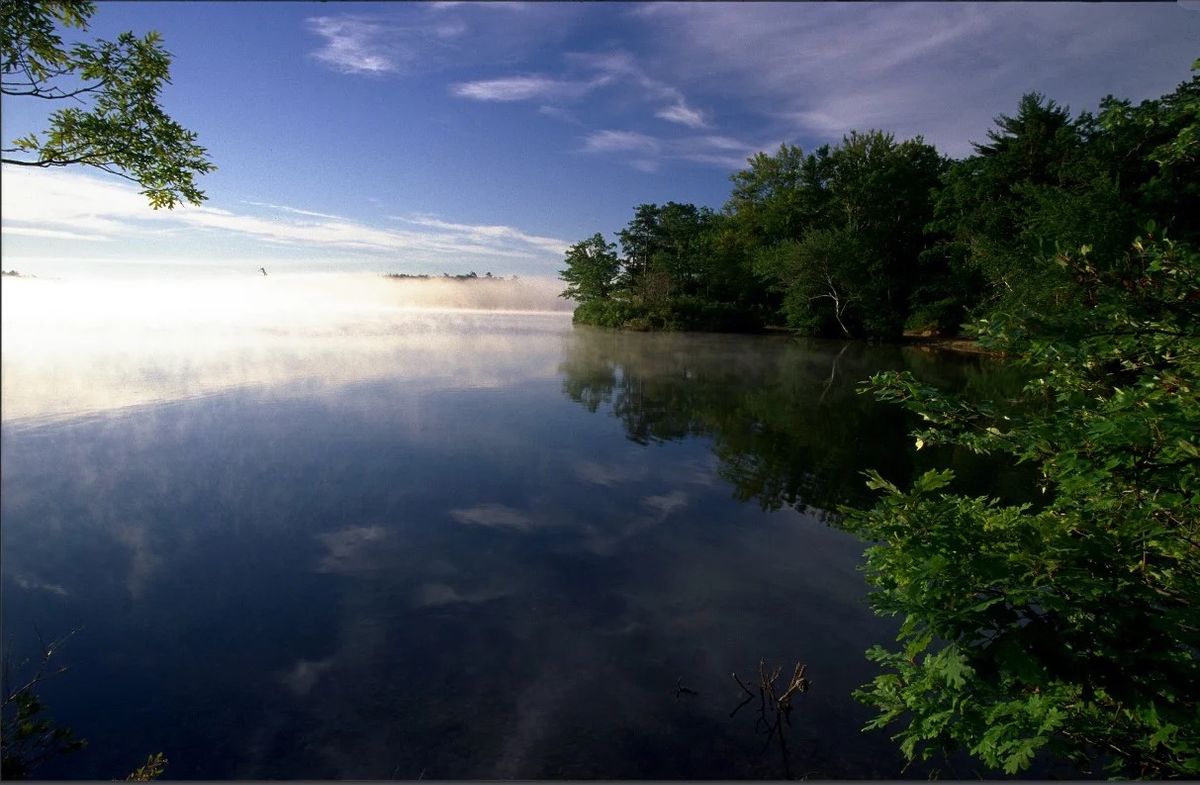
Fog over halfway pond (Image Credit: Wildlands Trust)
Have you ever taken the time to wonder about what’s under your feet, deep in the Earth, or why there are so many remnants of cranberry bogs in Plymouth? Have you ever wondered what this place may have looked like for grazing mastodons and hunting saber-tooth tigers? What did whales see as they breached close to shore or what did seals find when they sunned themselves on the shores? Where did the sand and rocks on our beaches come from?
The purpose of these Study Guides is to help you get a sense of place, of the processes that shaped the land we call home here in Plymouth and how in turn, the land shaped the lives of the Wampanoags and early European settlers. My hope is that you will use these Study Guides in any order and as references. They are one of many resources available to you. You will no doubt discover many more resources as you search for answers to your own questions.
With each Study Guide, I hope you set out to investigate, explore and observe the various locations I suggest. I encourage you to wonder, to use your creativity and turn your wonder into questions you want to answer through interviews, videos you make to showcase what inspires you or other venues and formats you enjoy. As you may find, more questions are generated as you seek answers.
I highly recommend you find a friend, class mate or family member, take the Study Guides and head out to MA Audubon Tidmarsh and the Foothills Preserve as well as your favorite ponds, streams and hiking trails. Wander and wonder about the times before people arrived here, before the Pilgrims stepped foot on our shores, and marvel at the depth of the history before you. For educators who visit this website, you will find suggestions for possible classroom and field trip experiences that you can offer students that will complement the background information.
Throughout the Study Guides, mention is made of the impact humans have had and continue to have on each other and on the natural world around us. You will find that the connection between ecosystems, both forest, wetlands and the sea have been severed and the loss of biodiversity and the health of ecosystems compromised or destroyed. MA Audubon Tidmarsh represents one of the largest ecosystem restoration projects and provides evidence that nature heals if we help it and protect it so it can do so.
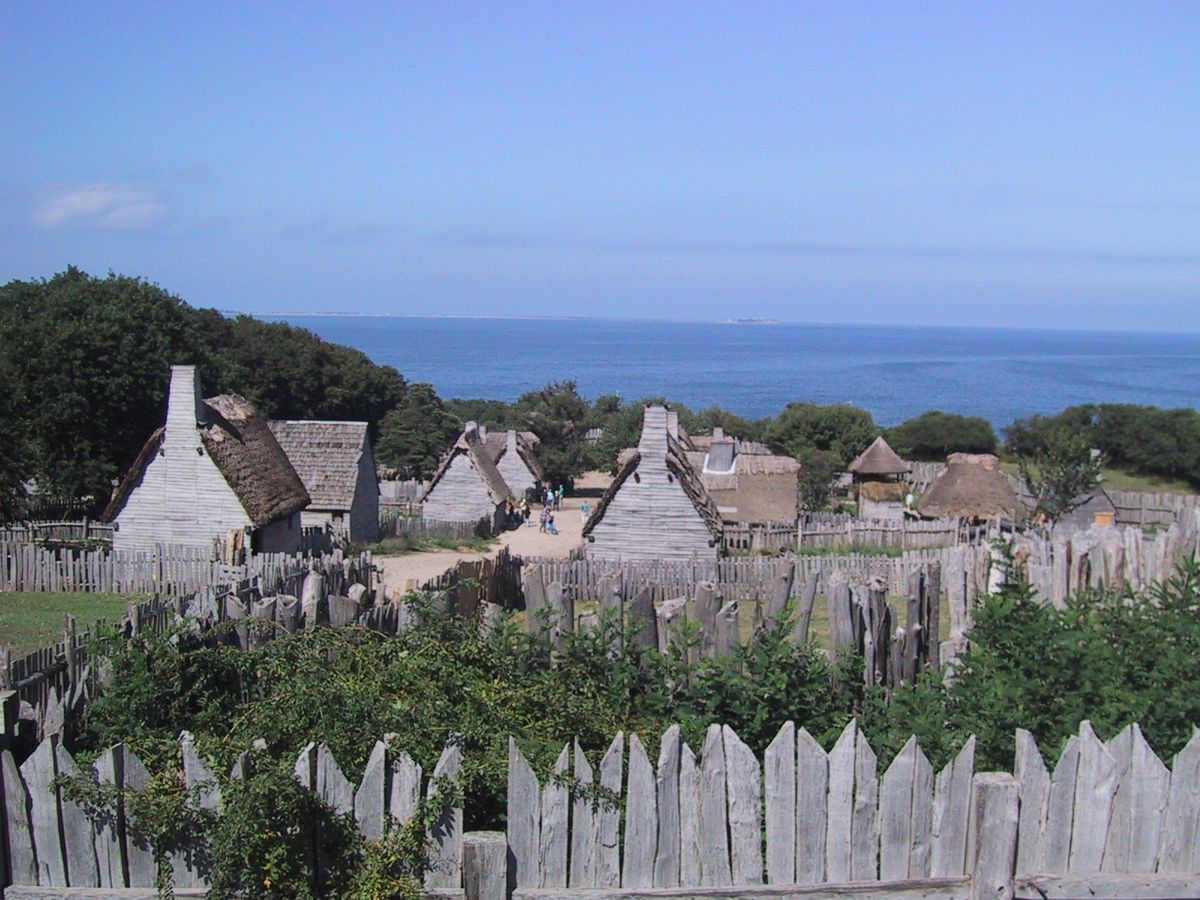
View of plimouth patuxet museum (wiki media commons)
