Living Observatory Community Platform
Background and Inspiration
The Living Observatory Community Platform that we'll be exploring today is based on a decade of experience I gained throughout my Ph.D. at the MIT Media Lab, both through my own ecological sensing work and interactions with Living Observatory members as the organization developed. These are some of the key inspirations that helped shape its development.
Yearly gatherings, initially at Tidmarsh during the planning of the restoration project and later at the MIT Media Lab, brought the community together. We shared what we were interested in, working on, and results when we had them. But it was easy to lose track of everyone's projects and progress in between these meetings.
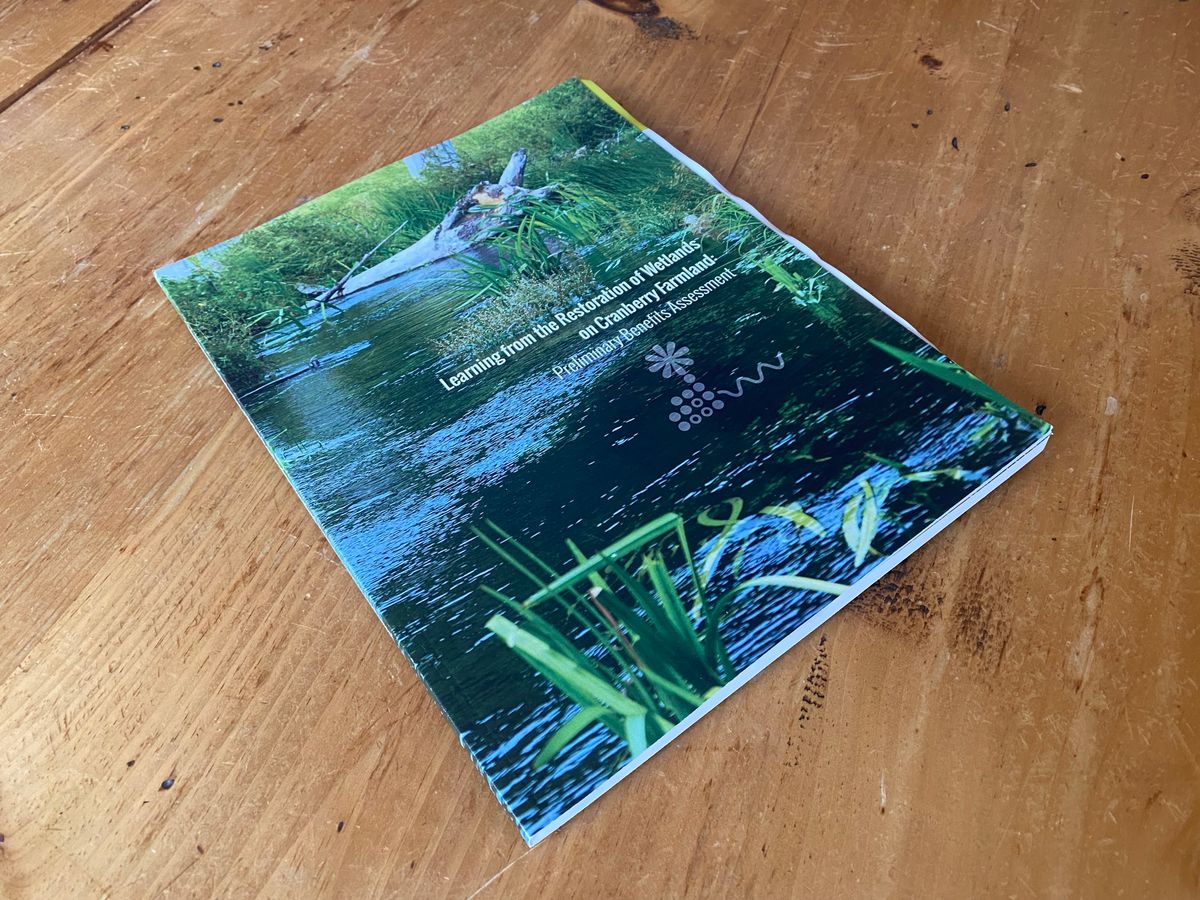
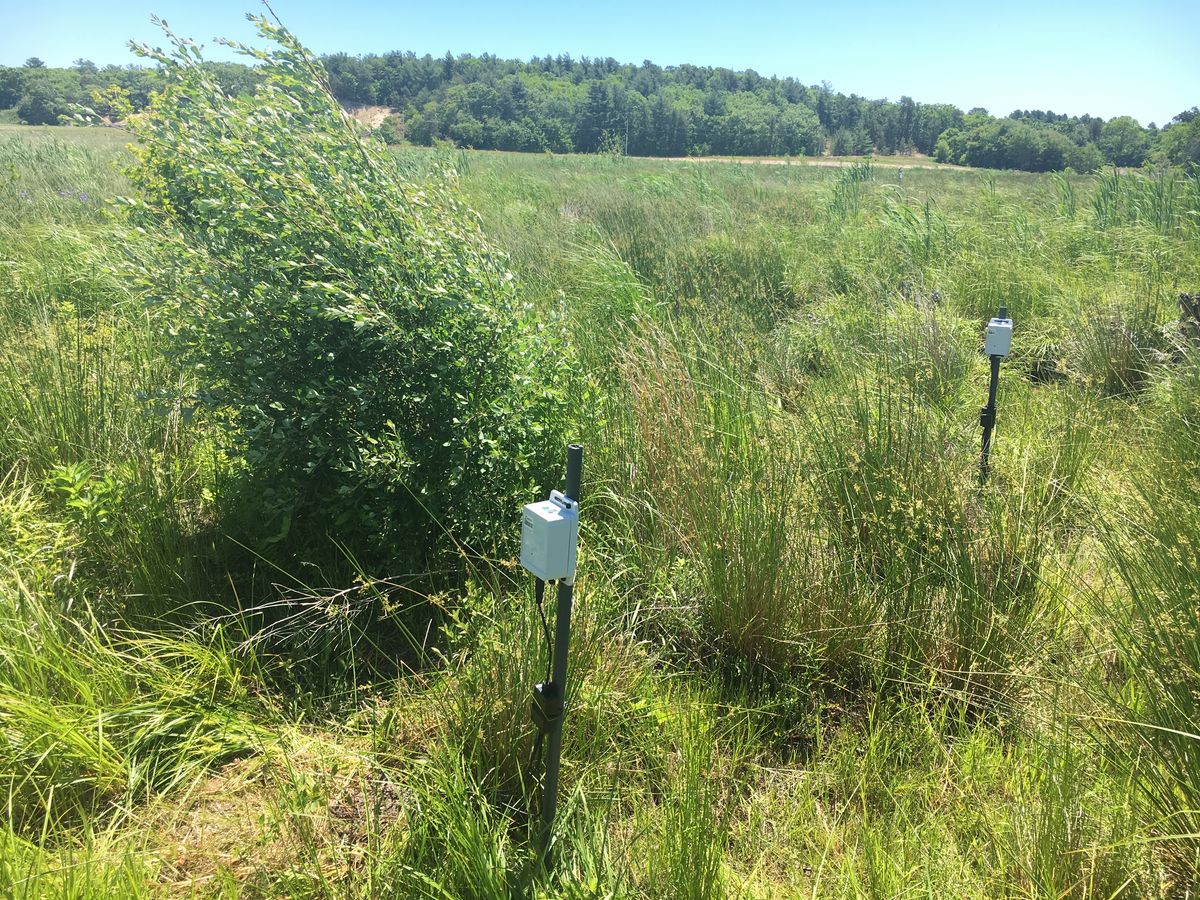
My doctoral thesis at the Media Lab explored how we could use technology, especially low-power wireless sensors, to document and learn from a restoration. I had a lot of experiments I needed to document and data that needed to be archived and shared.
Our data isn't all numbers. We've extensively explored using video (live and timelapse) and audio to document the restoration at Tidmarsh, and we're very interested in using these tools at new restorations.
When the weather cooperates and provides us with enough sun for our solar panels, you can tune in to the live stream.
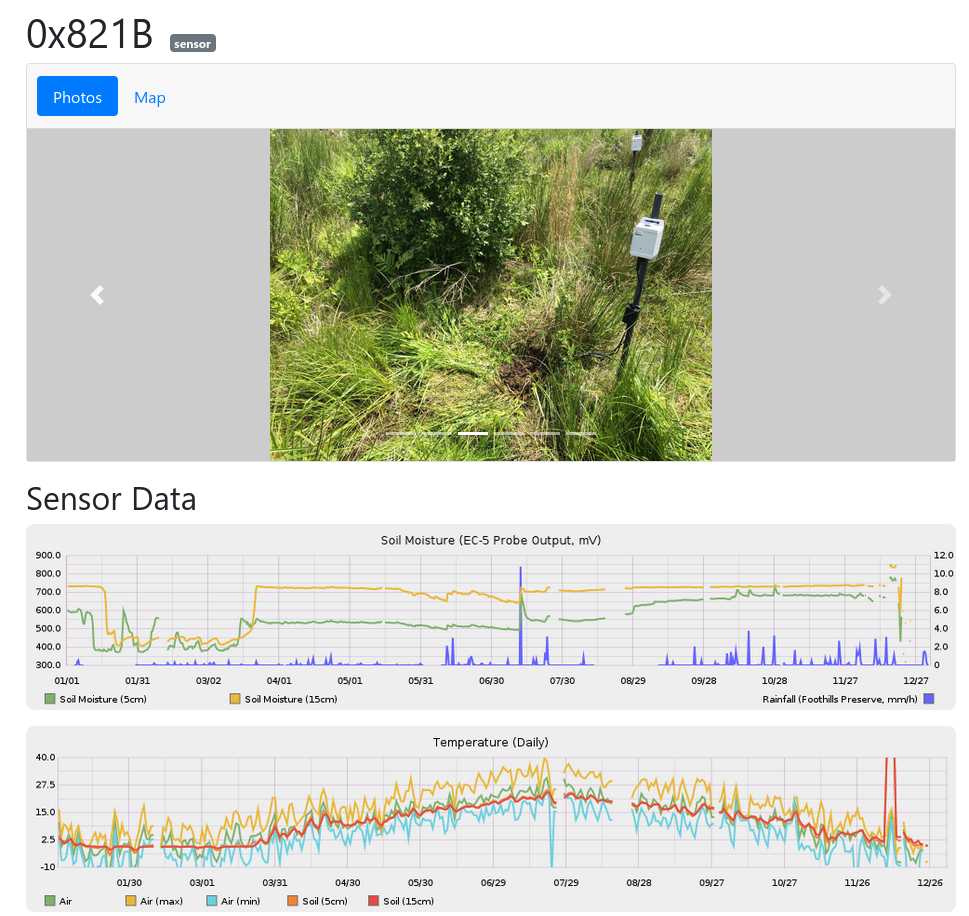
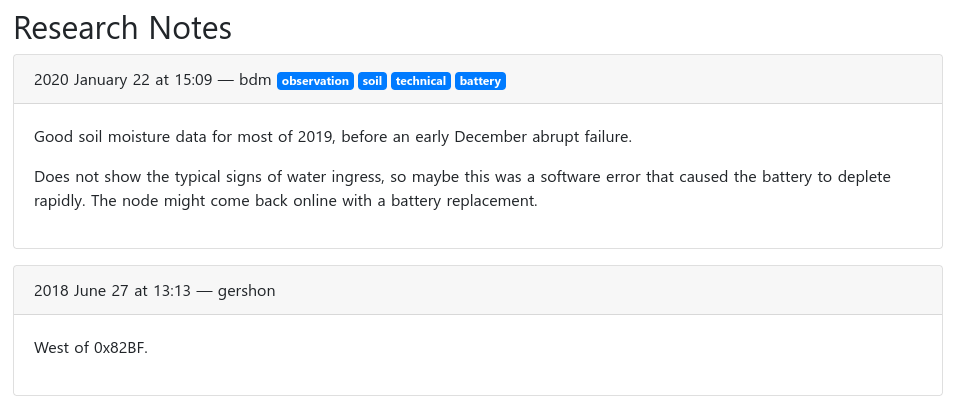
Pictured below is one of the prototype interfaces I built for my sensor network, based around a geotagged database of sensors. In addition to the actual data (shown in plots below), the system also stored and displayed photos of each individual sensor and research notes. This was invaluable for documenting the installation of each sensor and working with collaborators to interpret the data.
Author
